Guides
How to Find a Homeschool Co-op Near You
A practical guide to finding a homeschool co-op near me: where to search, what to ask, costs to expect, and how to pick the right fit for your family.
How to Find a Homeschool Co-op Near You
You have decided to homeschool. The curriculum is on the shelf, the rhythm is starting to click, and then one afternoon your child asks the question that quietly worries every homeschooling parent: "When do I get to do something with other kids?" That question is exactly why so many families type "homeschool co-op near me" into a search bar. A good co-op gives children friendship and shared learning, and it gives parents the one thing the early homeschool journey often lacks: people who get it.
Homeschooling is no longer a fringe choice. There were roughly 3.4 million homeschooled students in the United States in the 2024-2025 school year, about 6.3% of the school-age population, up from around 2.5 million in 2019 (Source: National Home Education Research Institute). Growth averaged nearly 4.9% in 2024-2025, almost three times the pre-pandemic rate, and 36% of reporting states recorded their highest-ever homeschool numbers (Source: Johns Hopkins Institute for Education Policy). As more families join, the support network around them is getting richer, and co-ops are at the center of it.
This guide walks you through what a co-op actually is, where to find one near you, what to ask before you commit, and how to choose a fit that serves your child for years, not just one semester.
What Is a Homeschool Co-op, Really?
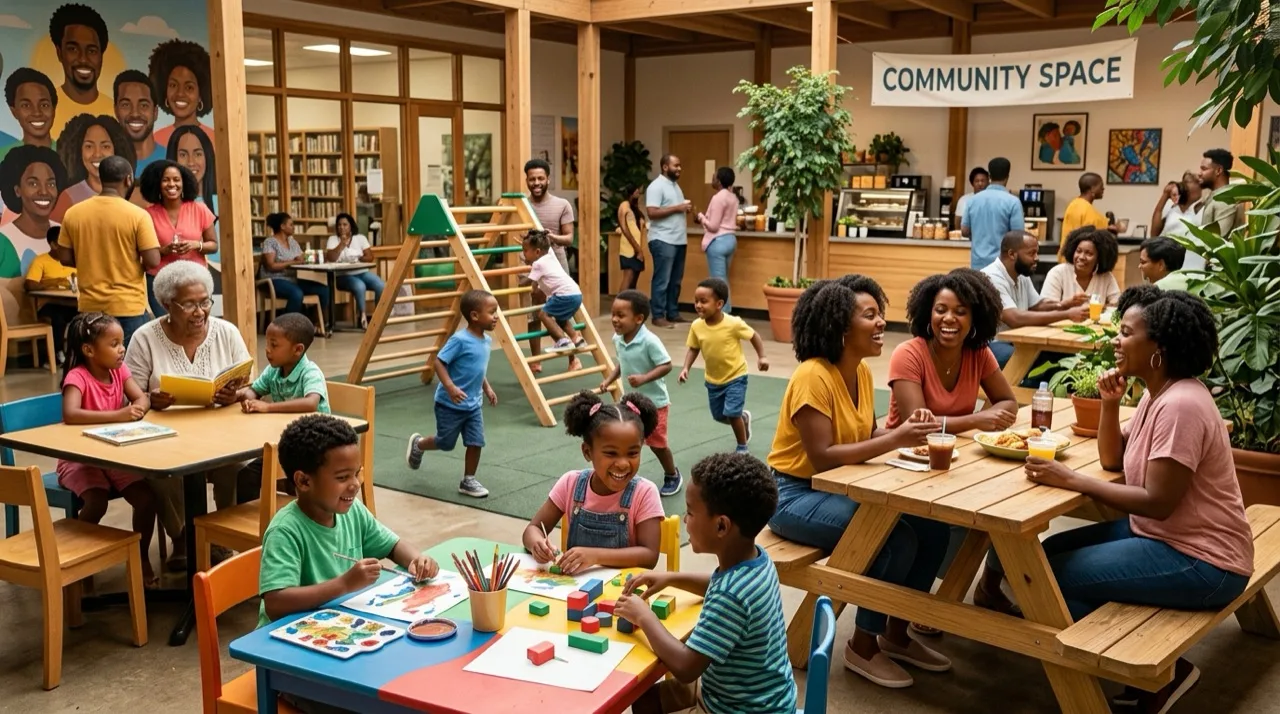
A homeschool co-op, short for cooperative, is a group of homeschooling families who pool their time, talents, and resources. Parents take turns teaching or supporting classes built around their expertise or interests, from writing and science labs to art, music, and group sports. Most co-ops meet once or twice a week and lean heavily on active parent involvement. This is the key difference from a drop-off program: in a traditional co-op you participate alongside your child rather than hand them off.
Co-ops are a mainstream part of the homeschool world. Among homeschool students, about 71% are taught full-time at home, while 29% learn in some other arrangement, including co-ops (18%), hybrid schools (8%), or another model (Source: National Home Education Research Institute). In other words, nearly one in five homeschooled children already does part of their week in a co-op.
Co-op, Microschool, or Hybrid: Know the Difference
The terms get blurry, so it helps to sort them out before you search:
- Co-op: Parent-led, volunteer-run, meets part-time. You stay and contribute.
- Microschool: A small, often professionally staffed learning hub, typically 5 to 15 students. As many as 2.1 million U.S. children attended microschools as of a May 2025 study, and many grew out of homeschool co-ops (Source: National Microschooling Center).
- Hybrid program: A blend of classroom days and at-home days, sometimes tuition-based with hired teachers.
Knowing which model you want narrows your search and saves you from joining a group that does not match how much time you can give.
Where to Look for a Homeschool Co-op Near You
The good news is that finding a "homeschool co-op near me" has never been easier. Start with these proven channels.
1. National and State Directories
Several free directories let you search by location and group type:
- HSLDA Group Search lists co-ops, support groups, and sports leagues by area (Source: HSLDA).
- Homeschool Hall is a free directory built by homeschoolers to find co-ops, teams, and tutors near you (Source: Homeschool Hall).
- TheHomeSchoolMom and Homeschool.com both organize local groups by state and city, and let you filter for secular or faith-based communities (Source: TheHomeSchoolMom; Homeschool.com).
Your state homeschool organization is another strong starting point. These groups often keep current lists of regional co-ops and can point you to the right contacts.
2. Local Facebook Groups and Community Networks
Some of the most active co-ops live on social media long before they appear in a directory. Search Facebook for your city or county plus the word "homeschool." Community-built groups have become powerful organizing tools. The African American Homeschool Moms group, for example, has grown to thousands of members and helps families connect to local co-ops and culturally grounded resources (Source: NBCBLK). Nextdoor, local library bulletin boards, and parenting forums work the same way.
3. Faith Communities, Libraries, and Recreation Centers
Many co-ops meet at churches, community centers, and libraries because those spaces are affordable and central. Ask around. A quick conversation with a children's librarian or a church education coordinator often surfaces a group that never bothered with an online listing.
4. Culturally Rooted and Identity-Affirming Co-ops
For many families, community is not just about logistics, it is about belonging. Homeschooling among Black families surged from about 3.3% before the pandemic to 16.1% by fall 2020 (Source: U.S. Census Bureau Household Pulse Survey), and a growing network of co-ops now centers culturally relevant learning and representation. Organizations such as National Black Home Educators and Black Family Homeschool Educators and Scholars connect families to co-ops, curriculum, and gatherings built around their values and history (Source: NBHE; BFHES). If you want your child to see their heritage reflected in the classroom, search specifically for these communities.
What to Ask Before You Join
Finding a co-op is the easy part. Finding the right one takes a few honest questions. Before you commit, ask:
- What is the teaching philosophy? Secular, Christian, classical, Charlotte Mason, or eclectic? Make sure it aligns with your home.
- How much am I expected to contribute? Many co-ops require parents to teach, assist, or run logistics. Confirm the time commitment.
- What does it cost? Volunteer-run co-ops typically charge between $50 and $500 per child per year to cover facility rental, insurance, and supplies (Source: Savvy Learning). Hybrid or staffed programs cost more.
- What ages and class sizes? Check that your child has peers in their range.
- What are the behavior and attendance expectations? Good co-ops have clear agreements that keep the group healthy.
- Can we visit first? A trial day tells you more than any brochure.
A Quick Takeaway
The right co-op matches three things at once: your educational philosophy, your schedule, and your child's social needs. If a group nails two but fails the third, keep looking. The wrong fit burns parents out, and the right one can carry a family for years.
When a Co-op Near You Is Hard to Find
Not every family lives near a thriving co-op, and not every parent can commit to teaching a weekly class. Rural families, working parents, and those who move often run into real limits with the local-only model. This is where online learning communities have stepped in, and where the homeschool landscape is changing fastest.
How Family World School Helps
Family World School was built for exactly this gap. It is a values-driven online homeschool cooperative, community-owned rather than a marketplace, which means the focus is on belonging and quality, not transactions. Families get vetted educators, live online classes, and one flat, transparent monthly fee instead of a confusing pile of per-class charges. Because it is fully online, your "co-op near me" is no longer limited by your zip code. Family World School especially serves African American and continental African families while welcoming all, so children can learn in a community that reflects them. If a strong local co-op is out of reach, an online cooperative gives your child the same things a great in-person group offers: real teachers, live classmates, and a genuine sense of belonging.
Your Next Step
Start with one directory search and one local Facebook group this week. Reach out, ask the questions above, and request a visit. Co-ops fill up, especially in fast-growing states, so an early conversation pays off. And if the local options do not fit your schedule or your family's needs, explore Family World School's live programs or book a consultation to see how an online cooperative can give your child community and consistent, vetted instruction. Wherever you land, the goal is the same: a place where your child learns well and feels they belong.
Sources: National Home Education Research Institute; Johns Hopkins Institute for Education Policy; National Microschooling Center; HSLDA; Homeschool Hall; TheHomeSchoolMom; Homeschool.com; Savvy Learning; NBCBLK; U.S. Census Bureau Household Pulse Survey; National Black Home Educators; Black Family Homeschool Educators and Scholars.